
Supporting growth by deploying infrastructure that meets today's challenges
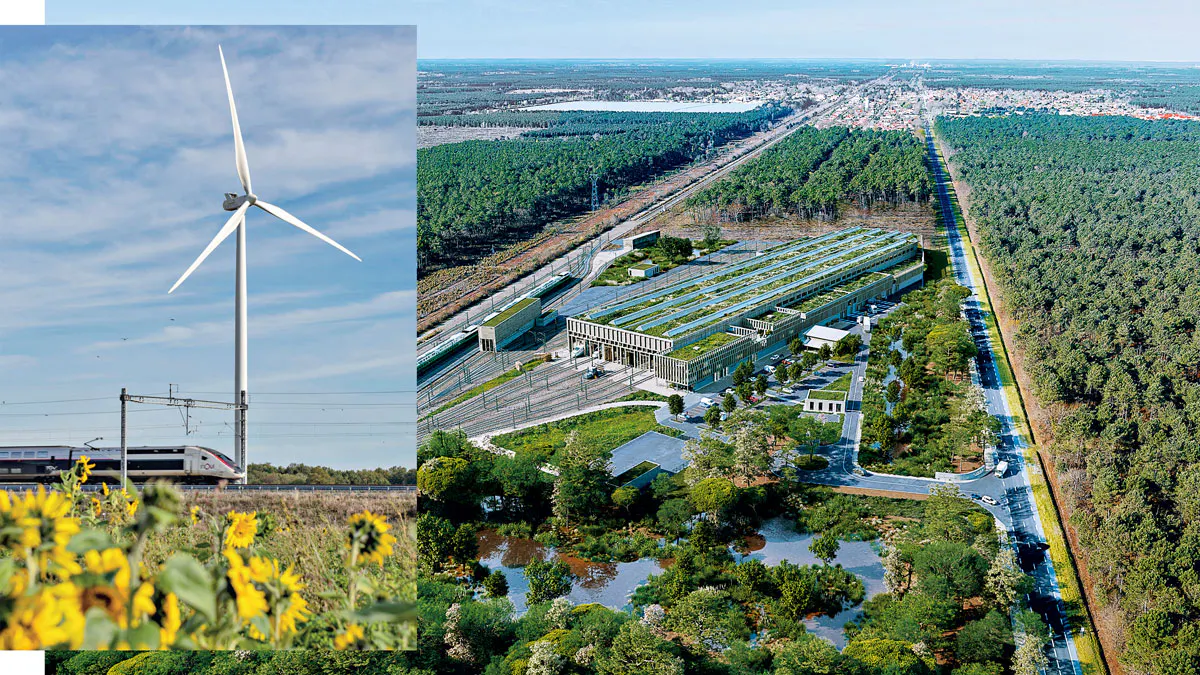
If the mobility sector is to continue growing and successfully navigate its transition, it needs infrastructure that meets the highest standards. As a low-carbon, efficient mode of transport, rail is a key driver of positive regional transformation. Since 2011, VINCI Railways has, through its subsidiary LISEA, held the concession for and operated the SEA HSL, which makes it possible to travel between Paris and Bordeaux in 2 hours and 3 minutes. Under a 50-year concession contract, LISEA, as infrastructure operator, assumes full responsibility for all risks associated with the project. Its model, supported by fees collected from railway operators that use the line, ensures the line is managed efficiently and with due regard for long-term socio-economic and environmental commitments. Since the French rail market opened up to competition in 2020, LISEA has played a key role in supporting new entrants. One illustration of this is the train maintenance and storage facility it is building in Marcheprime, near Bordeaux. As France’s first independent railway maintenance centre, it will play a strategic role in opening up the market and support new entrants – such as the independent French operator Velvet, which plans to put 12 new TGV trainsets into service from 2028. Representing an investment of over €250 million, the facility is set to accelerate the opening up of the railway market in France, particularly along the Atlantic corridor. LISEA therefore supports the development of new services, whether they involve new entrants or the incumbent operator. To encourage this development, VINCI Railways has introduced a five-year incentive scheme for operator fees, offering a discount of 40% the first year and increasingly smaller discounts the following years.